OPHD Title VI Data Subset: FY 25-26
This page reflects only Title VI data, a subset of OPHD's total annual reports received. Please visit the FY 25-26 Data page for OPHD's complete annual dataset.
Title VI - Race, Color, National Origin, Ancestry, Religion
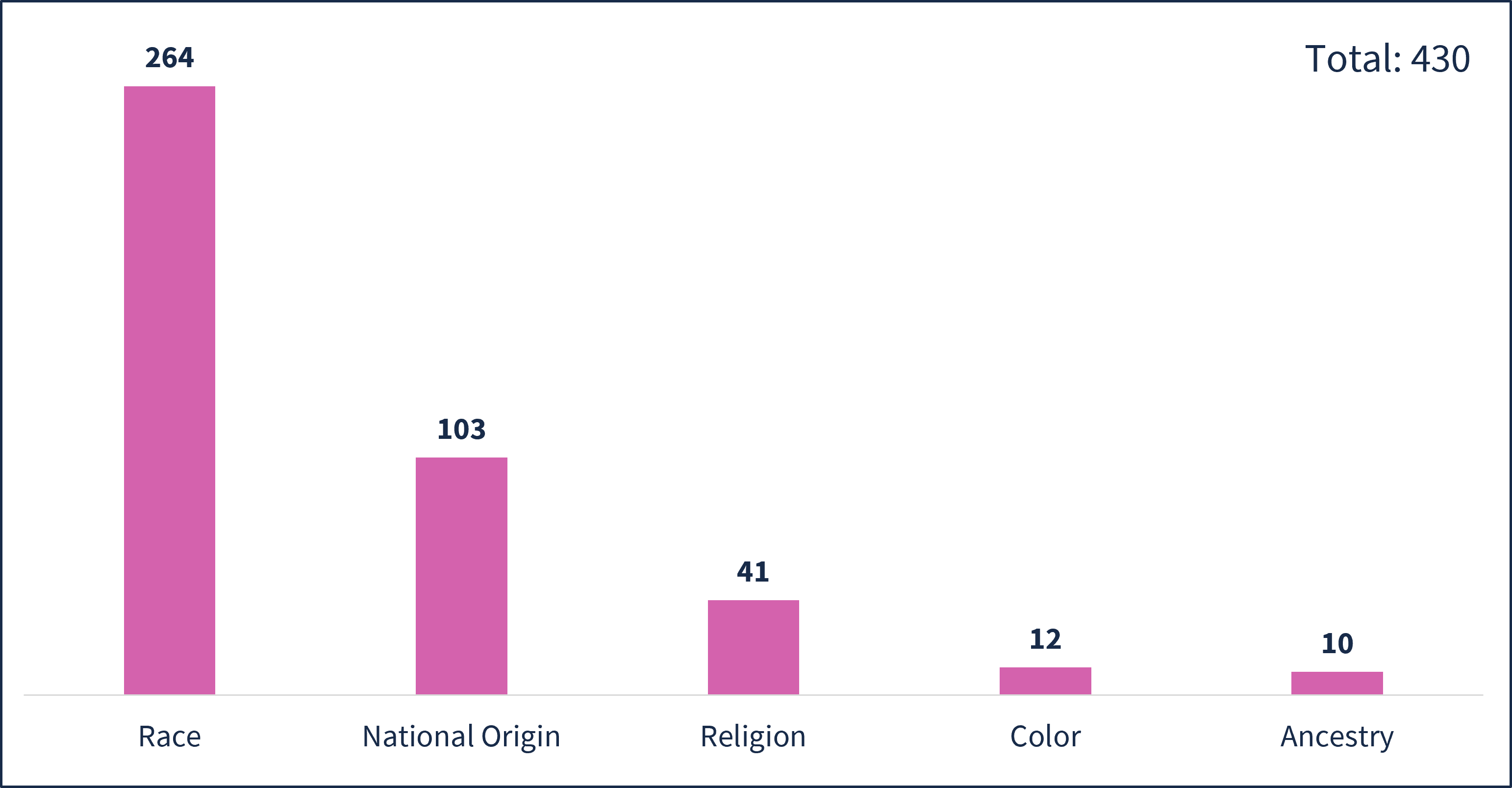
The UC Policy on Anti-Discrimination includes protected identity categories across multiple legal frameworks. This data subset is comprised of issues pertaining to race, color, national origin, ancestry, and religion. Title VI of the Civil Rights Act of 1964 and California law (referred to here collectively as "Title VI") prohibit discrimination on the basis of these categories.
The average time from report receipt to case closure for Title VI matters was 42 business days. This metric includes initial assessment, required policy processes, and any resulting resolution activities. Individual case timelines varied based on complexity and participant needs.
Annual data is based on a Fiscal Year cycle. FY 25-26 is from July 1, 2025, to June 30, 2026.
All counts and totals reflect information known to OPHD on the date this data subset was compiled: August 11, 2026.
OPHD reviews data at different levels - by Report, Complaint, Policy, and Issue. More than one issue and/or policy may be included in the same complaint.
-
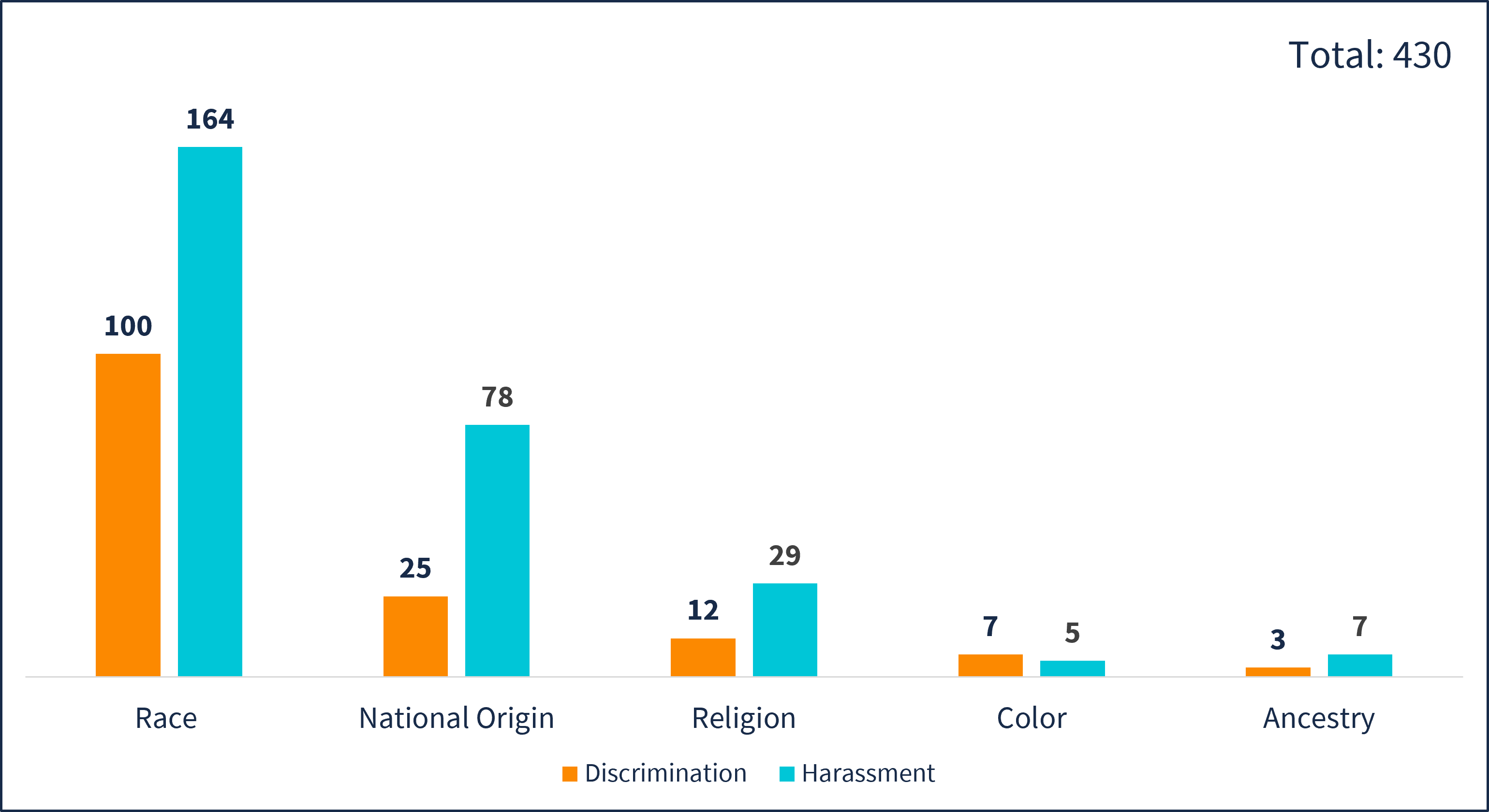
Both charts show issue level data. Multiple issues may be present within the same OPHD report.
-
Definitions of Harassment, Discrimination, and Protected Categories are defined in the UC Policy on Anti-Discrimination.
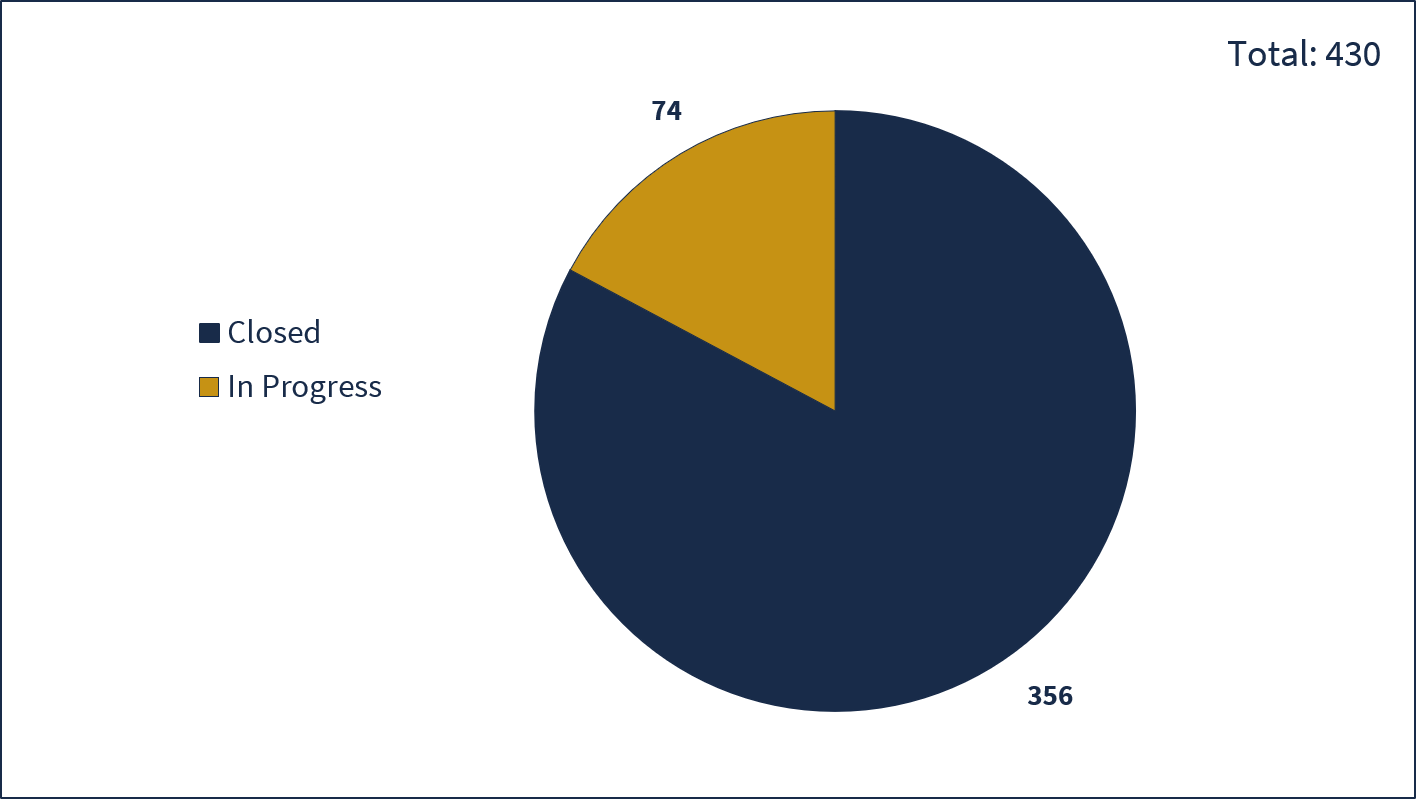
Of the 430 total Title VI issues reported to OPHD during FY 25-26:
-
83% (356) were closed by the end of FY 25-26;
-
17% (74) remained in progress at the end of FY 25-26.
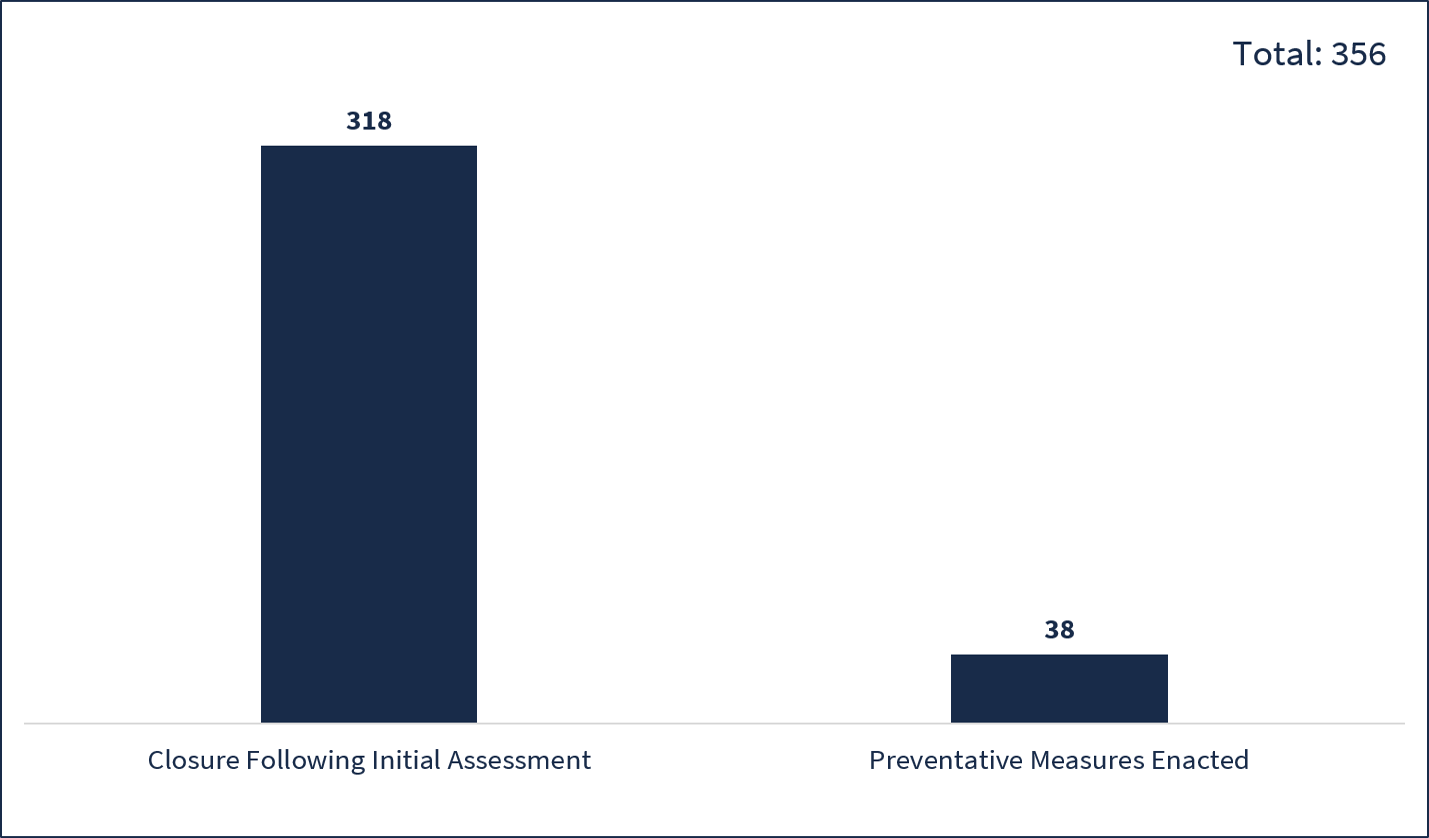
Of the 356 Title VI issues closed by OPHD in FY 25-26:
-
-
11% (38) resolved via preventative measures.
-
If an initial assessment does not support an OPHD resolution process, the report may be closed.
-
Closure following initial assessment includes cases where a Complainant was anonymous or otherwise not identified, a Complainant did not engage with our office (limiting OPHD’s ability to respond), a Complainant requested no further action and OPHD could honor that decision, and situations involving insufficient information.
-
Alternatively, OPHD may take preventative measures to address the concern, such as:
-
A Prevention & Education meeting to share individualized feedback with the Respondent (subject of concern)
-
Unit training to address the reported concerns and/or environmental trends
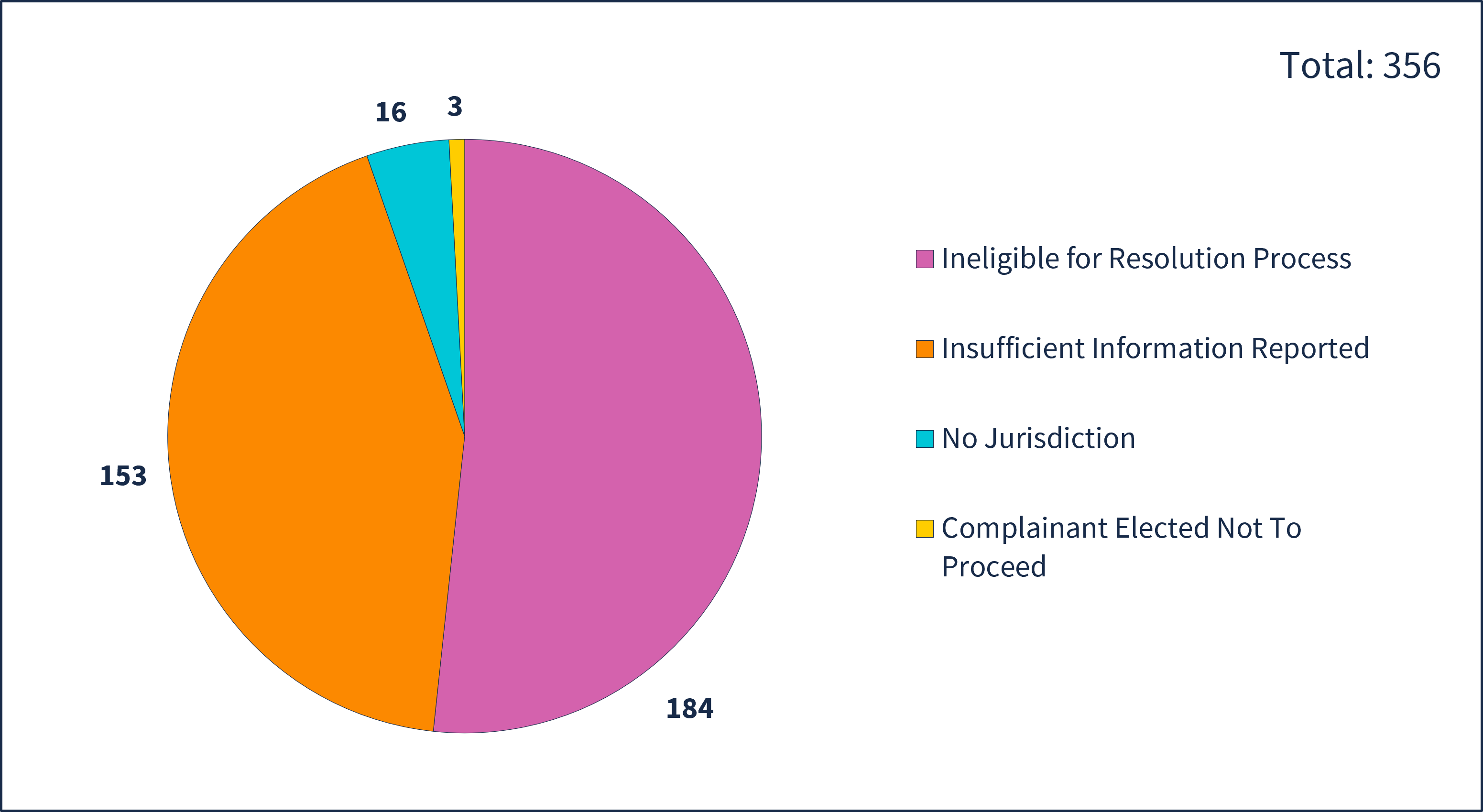
Of the 356 Title VI issues closed by OPHD in FY 25-26:
-
52% (184) were not eligible for an OPHD resolution process;
-
43% (153) had insufficient information;
-
4% (16) fell outside of OPHD jurisdiction;
-
0% (3) involved a Complainant who declined to proceed.
-
There are several reasons why a reported issue may not move forward with an OPHD resolution process. These include:
-
Insufficient information: not enough details to take action (not knowing who made the complaint, who is accused, Complainant does not engage with OPHD).
-
Not eligible for resolution process: After review, OPHD finds the reported conduct does not meet a policy definition of prohibited conduct. A resolution process is not available, but OPHD may still offer education, preventative measures, or support.
-
No jurisdiction: OPHD does not have the authority to address the issue (it may involve people or a location not affiliated with the University).
-
Complainant declines to proceed: The person making the complaint chooses not to move forward with a resolution process.
Of the 321 Title VI reports closed by OPHD in FY 25-26:
-
77% (247) were closed within 35 business days;
-
Common factors for longer case timelines include having multiple Complainants and/or Respondents, multiple issues within the same report, and engaging in OPHD resolution processes.
-
This chart shows report level data. Multiple issues may be present within the same OPHD report.
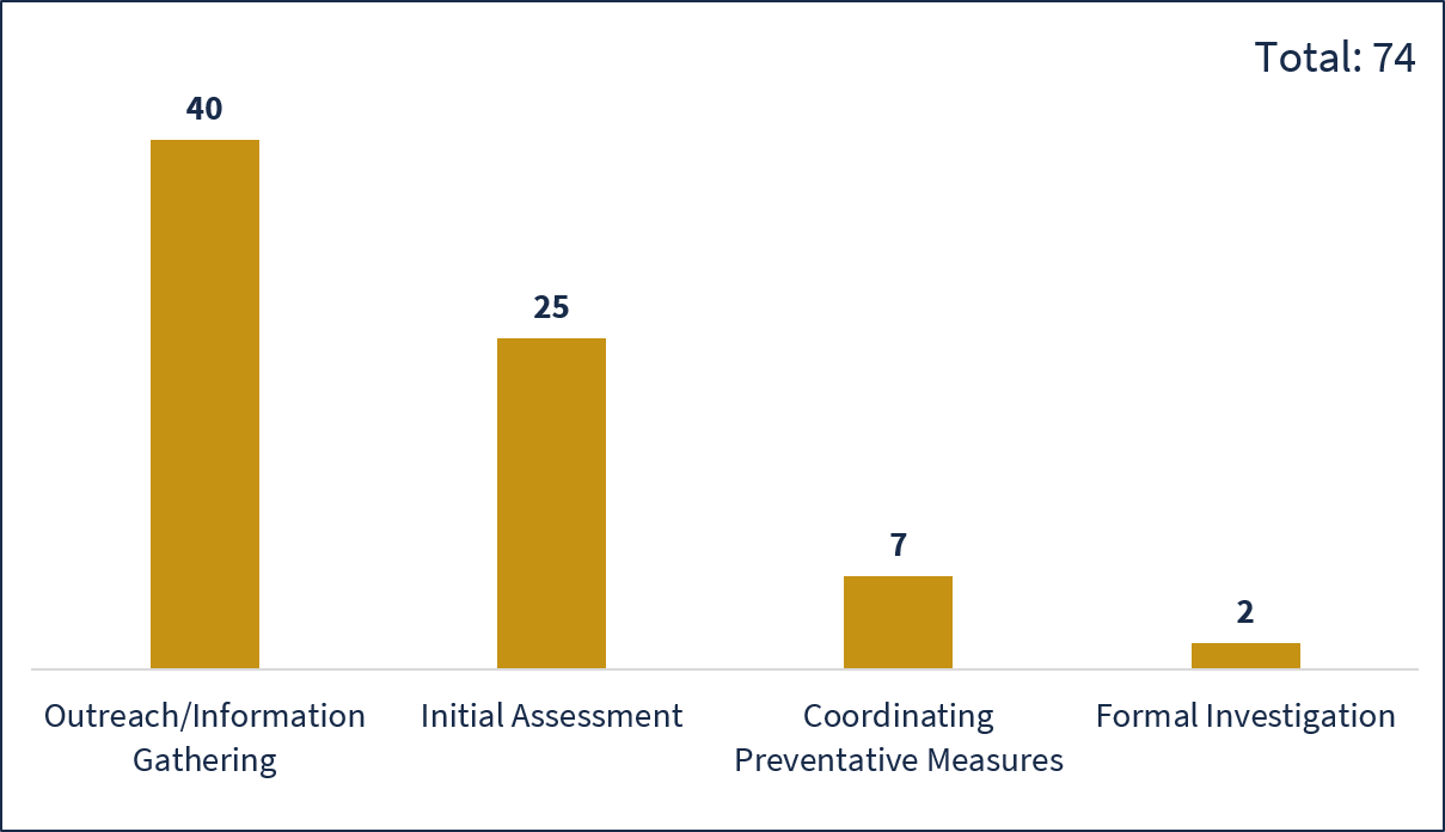
Of the 74 Title VI issues that were in progress (still active) at the close of FY 25-26:
-
54% (40) are in the outreach/information gathering phase;
-
-
-
-
Case phases are current as of when this data was compiled; this data is subject to change as each issue moves through the OPHD case life cycle.

-
Number of business days open is current as of when this data was compiled; this data is subject to change as each report moves through the OPHD case life cycle.
-
Common factors for longer case timelines include having multiple Complainants and/or Respondents, multiple issues within the same report, and engaging in OPHD resolution processes.
-
This chart shows report level data. Multiple issues may be present within the same OPHD report.